Many children with learning differences struggle in school long before they are diagnosed, affecting their confidence and motivation. It is crucial to identify learning differences early on so both teachers and parents can provide the support they need.
What are learning differences?
Learning differences stem from the inability to process information; this prevents a person from learning a skill and using it. Learning differences can affect a child’s ability to read, write, work, and compute. These results can even affect non-verbal skills.
Reading-related learning differences
Children with reading-related learning differences often find it hard to understand how letters represent a sound and how letter combinations make a word. They may also have problems working with working memory or handling information at the moment.
Be on the lookout for the following signs even if your child has mastered the basic reading skills. A child might struggle with:
- Reading at the standard pace
- Understanding what they read
- Accurately recalling what they read
- Making inferences based on the reading
- Spelling words
Writing-related learning differences
Writing requires complex visual, motor, and information-processing skills. Writing-related learning differences may cause the following:
- Slow and difficult handwriting
- Difficult to read handwriting
- Difficulty putting thoughts into writing
- Written work that’s poorly organized or hard to understand
- Problems with spelling, grammar, and punctuation
Math-related learning differences
Children with math-related learning differences find it difficult to:
- Understand how numbers work concerning each other
- Calculate and solve math problems
- Memorize basic calculations
- Use math symbols
- Understand word problems
- Organize and record information while solving a math problem
Learning differences related to non-verbal skills
These can be seen in a child’s visual-spatial skills, visual-motor skills, and other skills necessary in social or academic functioning. A child may have trouble with the following:
- Interpreting facial expressions and non-verbal cues in social interactions
- Using language appropriately in social situations
- Physical coordination
- Fine motor skills such as writing
- Attention, planning, and organizing
- Higher-level reading comprehension or written expression
Identifying the signs of learning differences
A child might be struggling with learning differences he or she:
- Has a poor mastery of reading, spelling, writing, or math skills expected of their age and grade levels
- Finds it difficult to understand and follow instructions
- Has trouble remembering what someone just told them
- Has poorly-coordinated motor skills
- Quickly loses or misplaces belongings
- Has difficulty understanding the concept of time
- Resists doing homework or activities that involve reading, writing, or math
- Consistently can't complete homework assignments without significant help
- Acts out or shows defiance, hostility, or excessive emotional reactions at school or while doing academic work
Helping a child with learning differences
Early intervention is essential as learning differences can lead to more severe problems if these are not addressed immediately. A child who has not mastered fundamental math skills in grade school won't tackle algebra in high school.
Children with learning differences might experience performance anxiety, depression, low self-esteem, chronic fatigue, or loss of motivation. Some children might act out to divert attention from the challenges they face in school.
If your child has learning differences, you might want to consider the following:
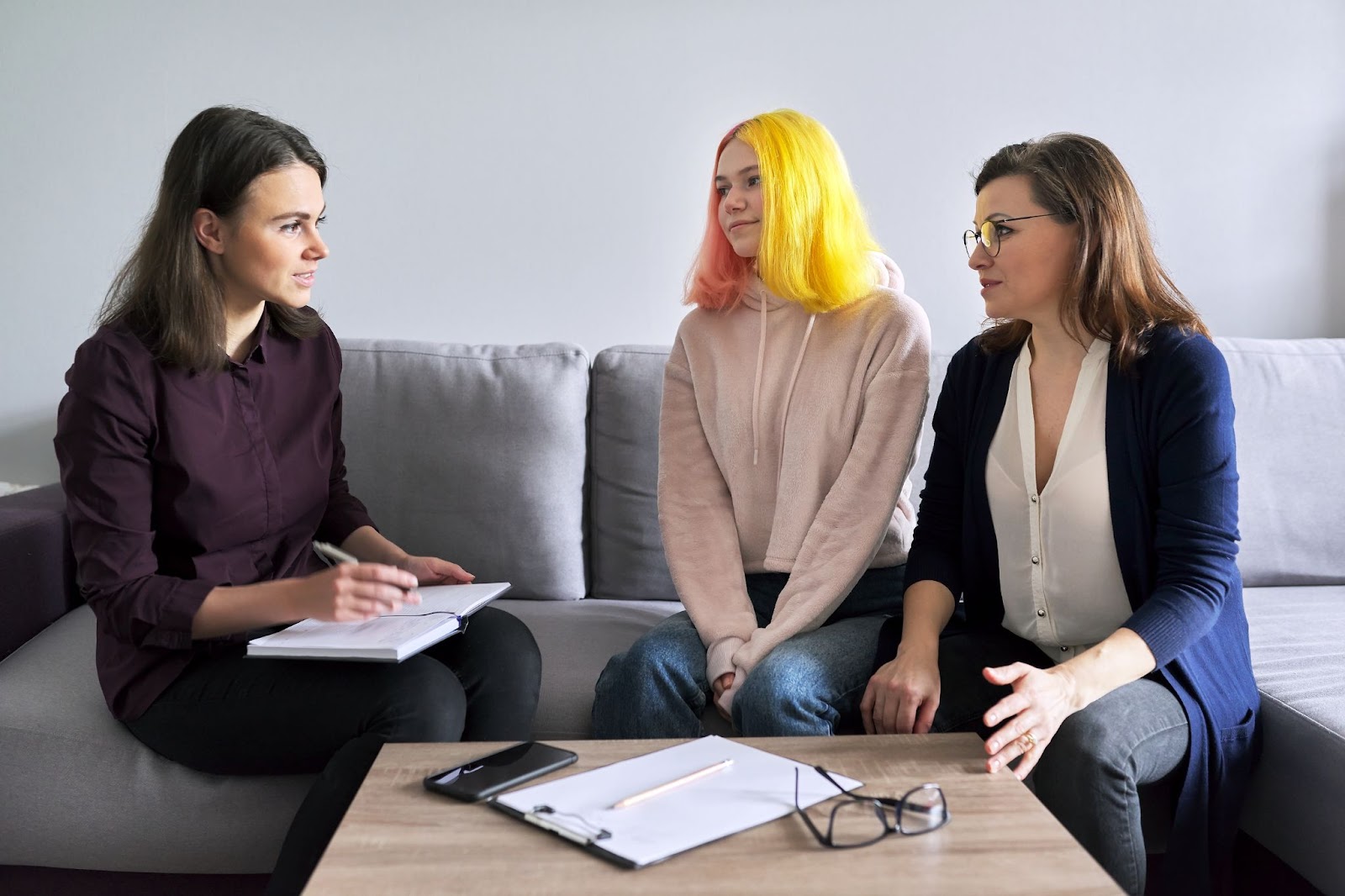
- Seek extra help. A tutor or other trained professional can help your child improve academic, organizational, and study skills.
- Arrange for accommodations. Talk to your child’s school and see if your child can be given more time to complete assignments or tests, be seated near the teacher to promote attention, use computer applications that support writing, or listen to audiobooks to supplement reading.
- Explore therapy options. Occupational therapy might improve your child’s motor skills, while speech therapy can help address language skills.
- Enroll your child in a school focused on helping children with learning differences. Currey Ingram Academy is a private school in Brentwood that empowers students with learning differences to reach their fullest potential. The school’s life-changing, personalized instruction will help your child thrive and succeed beyond the four walls of a classroom.
Currey Ingram Academy is a private school in Brentwood that supports and empowers students with learning differences to achieve their fullest potential - academically and socially - within an environment that fosters holistic student development. Get in touch by calling (615) 507-3173.


.png)